Documents below will show that
research to create COVID 19 began in the United States in 2006 and
culminated in a successful bio-weapon in 2015, with work done at the
University of North Carolina and at Harvard and at the Food and Drug
Administration’s lab in Arkansas. Their work was titled:
A SARS-like cluster of circulating bat coronaviruses shows potential for human emergence
They did this and more, so much more as you will read below.
As Trump said, over and over and over, the Chinese were involved. Key
Laboratory of Special Pathogens and Biosafety, Wuhan Institute of
Virology, Chinese Academy of Sciences, Wuhan, China supplied the Wuhan
Bat Virus which was used in the American study. Their name was included
for that reason only.
COVID 19 was a US Army bio-weapons
project to manufacture a pneumonia-causing disease that would be nearly
impossible to vaccinate for in patients over 40 years old.
The proof is here, simply scroll down. The study was run by the University of North Carolina and funded by USAID/CIA. It chose a Chinese bat virus and chose to include a
medical facility in Wuhan as well.
Now we know why, a smokescreen of
blame for a program China had little or nothing to do with, something
satanically evil and purely American.
In November 2015, a study was
published outlining the capability of producing the virus we are dealing
with now. Among the many involved was a lab in Wuhan, China. It was
listed from the beginning as one of dozens, mostly American, working on
this project.
However, one key participant was left
out, USAID. It is suspected, deeply so, that USAID is a front for
American bio-warfare research such as that done in Tbilisi, Georgia and
elsewhere, much documented. This is the citation which adds USAID to
the research funding group.
Change history - 20 November 2015
In the version of this article
initially published online, the authors omitted to acknowledge a funding
source, USAID-EPT-PREDICT funding from EcoHealth Alliance, to Z.-L.S.
The error has been corrected for the print, PDF and HTML versions of
this article.
We will now present Pravda’s biased
article and, below that, the actual study proving the capability of
producing COVID 19, proving it is not a naturally occurring virus once
and for all.
As to who did what, this is not our
job but we are proving, categorically, that when a Chinese lab is
mentioned, it is a minor player in an American effort, as outlined
exhaustively below.
This makes any discussing the Wuhan lab possibly complicit in bio-warfare.
Similarly, when Forbes Magazine and
others stated they could prove COVID 19 was made naturally, and of
course they had the same access we have, we suspect that they are part
of a disinformation effort tied to USAID and bio-warfare.
Suspicion is not proof. Proof is
proof and there is proof enough to drown in. Our thanks to the American
medical professionals who pimped themselves out to the US Army and CIA
and who helped bring us where we are now, a nation broken to pieces.
Pravda.Ru: Such material appeared in 2015 on the
website of the scientific journal Natura in 2015. Then the authors
claimed that after the advent of the SARS virus (2002-2003) and the
Middle East respiratory syndrome (MERS), scientists were aware of the
risk of interspecific transmission that would lead to an epidemic among
people.
Successful lab experiment
Among other things, the research team studied bats, which are the
largest incubators of coronaviruses. Nevertheless, bats could not
transmit the coronavirus to humans because they could not interact with
human cells with ACE2 receptors.
The material also stated that horseshoe bats
carry a strain of SARS coronavirus that can be transmitted to humans. It
has been named the SHC014-CoV virus.
To better study this virus, scientists copied the coronavirus and infected it with laboratory mice. The
results showed that the virus is really able to bind to human cells
with ACE2 receptors and multiply in the cells of the respiratory system.
In the research work, it is noted that laboratory materials, samples
and equipment that were used in the research were obtained from the Army
Medical Research Institute of Infectious Diseases. Although it is not
yet possible to say for sure that the virus that was tested in
laboratory mice is the same as the SARS-Cove-2 coronavirus.
NATO policy
However, interesting things can be found in earlier documents. For example:
The 2019 Alliance’s activity report says that in 2019, the
Alliance’s first place in research and development was occupied by the
topic of radiochemical and biological protection (29%), shifting the
seemingly most pressing problem of Europe – counterterrorism (it turned
out to be 4- m priority).
A year earlier, in 2018, the situation was exactly the opposite:
terrorism, as it should be, was in the first place (28%), and
radiochemical and biological protection in the fourth (13%).
As the Brussels snitch writes in the telegram channel, “given
the absence of visible reasons for such a sharp change in scientific
interests, there are two options and both are unpleasant:
or NATO now wags the fifth point, falsifying the data to show “and we always prepared for viruses, we are modern”,
or even in 2019 in the alliance, God forgive me, they knew where the trouble would come from.
Yes, the first option is much more real, but, you see, the facts are surprising. “
Читайте больше на https://www.pravda.ru/world/1482450-COVID19/
Original 2015 research unedited and complete
A SARS-like cluster of circulating bat coronaviruses shows potential for human emergence
The emergence of severe acute respiratory syndrome coronavirus
(SARS-CoV) and Middle East respiratory syndrome (MERS)-CoV underscores
the threat of cross-species transmission events leading to outbreaks in
humans. Here we examine the disease potential of a SARS-like virus,
SHC014-CoV, which is currently circulating in Chinese horseshoe bat
populations1. Using the SARS-CoV reverse genetics system2,
we generated and characterized a chimeric virus expressing the spike of
bat coronavirus SHC014 in a mouse-adapted SARS-CoV backbone. The
results indicate that group 2b viruses encoding the SHC014 spike in a
wild-type backbone can efficiently use multiple orthologs of the SARS
receptor human angiotensin converting enzyme II (ACE2), replicate
efficiently in primary human airway cells and achieve in vitro titers equivalent to epidemic strains of SARS-CoV. Additionally, in vivo experiments
demonstrate replication of the chimeric virus in mouse lung with
notable pathogenesis. Evaluation of available SARS-based
immune-therapeutic and prophylactic modalities revealed poor efficacy;
both monoclonal antibody and vaccine approaches failed to neutralize and
protect from infection with CoVs using the novel spike protein. On the
basis of these findings, we synthetically re-derived an infectious
full-length SHC014 recombinant virus and demonstrate robust viral
replication both in vitro and in vivo. Our work suggests a potential risk of SARS-CoV re-emergence from viruses currently circulating in bat populations.
Main
The emergence of SARS-CoV heralded a new era in the cross-species
transmission of severe respiratory illness with globalization leading to
rapid spread around the world and massive economic impact3,4.
Since then, several strains—including influenza A strains H5N1, H1N1
and H7N9 and MERS-CoV—have emerged from animal populations, causing
considerable disease, mortality and economic hardship for the afflicted
regions5. Although public health measures were able to stop the SARS-CoV outbreak4,
recent metagenomics studies have identified sequences of closely
related SARS-like viruses circulating in Chinese bat populations that
may pose a future threat1,6.
However, sequence data alone provides minimal insights to identify and
prepare for future prepandemic viruses. Therefore, to examine the
emergence potential (that is, the potential to infect humans) of
circulating bat CoVs, we built a chimeric virus encoding a novel,
zoonotic CoV spike protein—from the RsSHC014-CoV sequence that was
isolated from Chinese horseshoe bats1—in
the context of the SARS-CoV mouse-adapted backbone. The hybrid virus
allowed us to evaluate the ability of the novel spike protein to cause
disease independently of other necessary adaptive mutations in its
natural backbone. Using this approach, we characterized CoV infection
mediated by the SHC014 spike protein in primary human airway cells and in vivo,
and tested the efficacy of available immune therapeutics against
SHC014-CoV. Together, the strategy translates metagenomics data to help
predict and prepare for future emergent viruses.
The sequences of SHC014 and the related RsWIV1-CoV show that these
CoVs are the closest relatives to the epidemic SARS-CoV strains (Fig. 1a,b);
however, there are important differences in the 14 residues that bind
human ACE2, the receptor for SARS-CoV, including the five that are
critical for host range: Y442, L472, N479, T487 and Y491 (ref. 7).
In WIV1, three of these residues vary from the epidemic SARS-CoV Urbani
strain, but they were not expected to alter binding to ACE2 (Supplementary Fig. 1a,b and Supplementary Table 1).
This fact is confirmed by both pseudotyping experiments that measured
the ability of lentiviruses encoding WIV1 spike proteins to enter cells
expressing human ACE2 (Supplementary Fig. 1) and by in vitro replication assays of WIV1-CoV (ref. 1).
In contrast, 7 of 14 ACE2-interaction residues in SHC014 are different
from those in SARS-CoV, including all five residues critical for host
range (Supplementary Fig. 1c and Supplementary Table 1). These changes, coupled with the failure of pseudotyped lentiviruses expressing the SHC014 spike to enter cells (Supplementary Fig. 1d),
suggested that the SHC014 spike is unable to bind human ACE2. However,
similar changes in related SARS-CoV strains had been reported to allow
ACE2 binding7,8,
suggesting that additional functional testing was required for
verification. Therefore, we synthesized the SHC014 spike in the context
of the replication-competent, mouse-adapted SARS-CoV backbone (we
hereafter refer to the chimeric CoV as SHC014-MA15) to maximize the
opportunity for pathogenesis and vaccine studies in mice (Supplementary Fig. 2a).
Despite predictions from both structure-based modeling and pseudotyping
experiments, SHC014-MA15 was viable and replicated to high titers in
Vero cells (Supplementary Fig. 2b).
Similarly to SARS, SHC014-MA15 also required a functional ACE2 molecule
for entry and could use human, civet and bat ACE2 orthologs (Supplementary Fig. 2c,d).
To test the ability of the SHC014 spike to mediate infection of the
human airway, we examined the sensitivity of the human epithelial airway
cell line Calu-3 2B4 (ref. 9) to infection and found robust SHC014-MA15 replication, comparable to that of SARS-CoV Urbani (Fig. 1c).
To extend these findings, primary human airway epithelial (HAE)
cultures were infected and showed robust replication of both viruses (Fig. 1d).
Together, the data confirm the ability of viruses with the SHC014 spike
to infect human airway cells and underscore the potential threat of
cross-species transmission of SHC014-CoV.
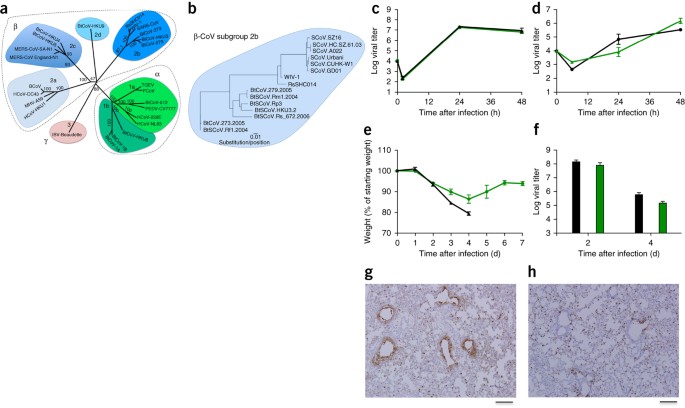
Figure 1: SARS-like viruses replicate in human airway cells and produce in vivo pathogenesis.
(a) The full-length genome sequences of representative CoVs were aligned and phylogenetically mapped as described in the Online Methods.
The scale bar represents nucleotide substitutions, with only bootstrap
support above 70% being labeled. The tree shows CoVs divided into three
distinct phylogenetic groups, defined as α-CoVs, β-CoVs and γ-CoVs.
Classical subgroup clusters are marked as 2a, 2b, 2c and 2d for the
β-CoVs and as 1a and 1b for the α-CoVs. (b) Amino acid sequences
of the S1 domains of the spikes of representative β-CoVs of the 2b
group, including SARS-CoV, were aligned and phylogenetically mapped. The
scale bar represents amino acid substitutions. (c,d) Viral replication of SARS-CoV Urbani (black) and SHC014-MA15 (green) after infection of Calu-3 2B4 cells (c) or well-differentiated, primary air-liquid interface HAE cell cultures (d)
at a multiplicity of infection (MOI) of 0.01 for both cell types.
Samples were collected at individual time points with biological
replicates (n = 3) for both Calu-3 and HAE experiments. (e,f) Weight loss (n = 9 for SARS-CoV MA15; n = 16 for SHC014-MA15) (e) and viral replication in the lungs (n = 3 for SARS-CoV MA15; n = 4 for SHC014-MA15) (f) of 10-week-old BALB/c mice infected with 1 × 10⁴ p.f.u. of mouse-adapted SARS-CoV MA15 (black) or SHC014-MA15 (green) via the intranasal (i.n.) route. (g,h) Representative images of lung sections stained for SARS-CoV N antigen from mice infected with SARS-CoV MA15 (n = 3 mice) (g) or SHC014-MA15 (n = 4 mice) (h) are shown. For each graph, the center value represents the group mean, and the error bars define the s.e.m. Scale bars, 1 mm.
To evaluate the role of the SHC014 spike in mediating infection in vivo, we infected 10-week-old BALB/c mice with 104 plaque-forming units (p.f.u.) of either SARS-MA15 or SHC014-MA15 (Fig. 1e–h).
Animals infected with SARS-MA15 experienced rapid weight loss and
lethality by 4 d post infection (d.p.i.); in contrast, SHC014-MA15
infection produced substantial weight loss (10%) but no lethality in
mice (Fig. 1e).
Examination of viral replication revealed nearly equivalent viral
titers from the lungs of mice infected with SARS-MA15 or SHC014-MA15 (Fig. 1f).
Whereas lungs from the SARS-MA15–infected mice showed robust staining
in both the terminal bronchioles and the lung parenchyma 2 d.p.i. (Fig. 1g), those of SHC014-MA15–infected mice showed reduced airway antigen staining (Fig. 1h);
in contrast, no deficit in antigen staining was observed in the
parenchyma or in the overall histology scoring, suggesting differential
infection of lung tissue for SHC014-MA15 (Supplementary Table 2).
We next analyzed infection in more susceptible, aged (12-month-old)
animals. SARS-MA15–infected animals rapidly lost weight and succumbed to infection (Supplementary Fig. 3a,b).
SHC014-MA15 infection-induced robust and sustained weight loss but had
minimal lethality. Trends in the histology and antigen staining
patterns that we observed in young mice were conserved in the older
animals (Supplementary Table 3).
We excluded the possibility that SHC014-MA15 was mediating infection
through an alternative receptor on the basis of experiments using Ace2−/− mice, which did not show weight loss or antigen staining after SHC014-MA15 infection (Supplementary Fig. 4a,b and Supplementary Table 2).
Together, the data indicate that viruses with the SHC014 spike are
capable of inducing weight loss in mice in the context of a virulent CoV
backbone.
Given the preclinical efficacy of Ebola monoclonal antibody therapies, such as ZMApp10,
we next sought to determine the efficacy of SARS-CoV monoclonal
antibodies against infection with SHC014-MA15. Four broadly neutralizing
human monoclonal antibodies targeting SARS-CoV spike protein had been
previously reported and are probable reagents for immunotherapy11,12,13.
We examined the effect of these antibodies on viral replication
(expressed as percentage inhibition of viral replication) and found that
whereas wild-type SARS-CoV Urbani was strongly neutralized by all four
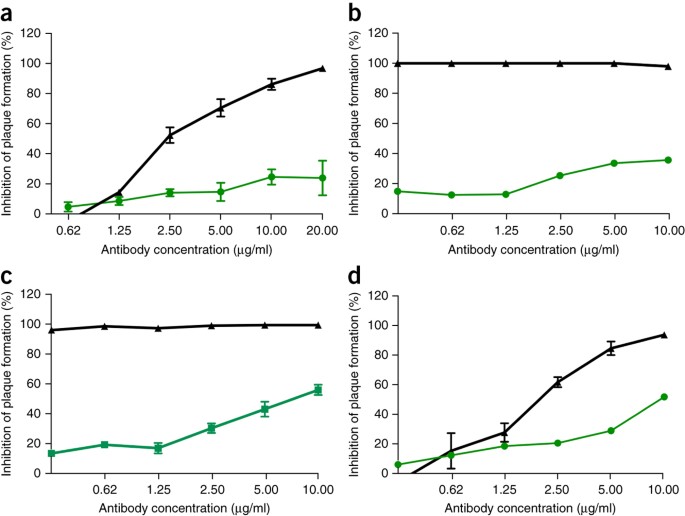
antibodies at relatively low antibody concentrations (Fig. 2a–d), neutralization varied for SHC014-MA15. Fm6, an antibody generated by phage display and escape mutants11,12, achieved only background levels of inhibition of SHC014-MA15 replication (Fig. 2a). Similarly, antibodies 230.15 and 227.14, which were derived from memory B cells of SARS-CoV–infected patients13, also failed to block SHC014-MA15 replication (Fig. 2b,c).
For all three antibodies, differences between the SARS and SHC014 spike
amino acid sequences corresponded to direct or adjacent residue changes
found in SARS-CoV escape mutants (fm6 N479R; 230.15 L443V; 227.14
K390Q/E), which probably explains the absence of the antibodies’
neutralizing activity against SHC014. Finally, monoclonal antibody 109.8
was able to achieve 50% neutralization of SHC014-MA15, but only at high
concentrations (10 μg/ml) (Fig. 2d).
Together, the results demonstrate that broadly neutralizing antibodies
against SARS-CoV may only have marginal efficacy against emergent
SARS-like CoV strains such as SHC014.
Figure 2: SARS-CoV monoclonal antibodies have marginal efficacy against SARS-like CoVs.
(a–d) Neutralization assays evaluating efficacy
(measured as reduction in the number of plaques) of a panel of
monoclonal antibodies, which were all originally generated against
epidemic SARS-CoV, against infection of Vero cells with SARS-CoV Urbani
(black) or SHC014-MA15 (green). The antibodies tested were fm6 (n = 3 for Urbani; n = 5 for SHC014-MA15)11,12 (a), 230.15 (n = 3 for Urbani; n = 2 for SHC014-MA15) (b), 227.15 (n = 3 for Urbani; n = 5 for SHC014-MA15) (c) and 109.8 (n = 3 for Urbani; n = 2 for SHC014-MA15)13 (d).
Each data point represents the group mean and error bars define the
s.e.m. Note that the error bars in SARS-CoV Urbani–infected Vero cells
in b,c are overlapped by the symbols and are not visible.
To evaluate the efficacy of existing vaccines against infection with
SHC014-MA15, we vaccinated aged mice with double-inactivated whole
SARS-CoV (DIV). Previous work showed that DIV could neutralize and
protect young mice from challenge with a homologous virus14;
however, the vaccine failed to protect aged animals in which augmented
immune pathology was also observed, indicating the possibility of the
animals being harmed because of the vaccination15. Here we found that DIV did not provide protection from challenge with SHC014-MA15 with regards to weight loss or viral titer (Supplementary Fig. 5a,b). Consistent with a previous report with other heterologous group 2b CoVs15, serum from DIV-vaccinated, aged mice also failed to neutralize SHC014-MA15 (Supplementary Fig. 5c). Notably, DIV vaccination resulted in robust immune pathology (Supplementary Table 4) and eosinophilia (Supplementary Fig. 5d–f).
Together, these results confirm that the DIV vaccine would not be
protective against infection with SHC014 and could possibly augment
disease in the aged vaccinated group.
In contrast to vaccination of mice with DIV, the use of SHC014-MA15
as a live, attenuated vaccine showed potential cross-protection against
challenge with SARS-CoV, but the results have important caveats. We
infected young mice with 104 p.f.u. of SHC014-MA15 and observed them for 28 d. We then challenged the mice with SARS-MA15 at day 29 (Supplementary Fig. 6a).
The prior infection of the mice with the high dose of SHC014-MA15
conferred protection against challenge with a lethal dose of SARS-MA15,
although there was only a minimal SARS-CoV neutralization response from
the antisera elicited 28 d after SHC014-MA15 infection (Supplementary Fig. 6b,
1:200). In the absence of a secondary antigen boost, 28 d.p.i.
represents the expected peak of antibody titers and implies that there
will be diminished protection against SARS-CoV over time16,17.
Similar results showing protection against challenge with a lethal dose
of SARS-CoV were observed in aged BALB/c mice with respect to weight
loss and viral replication (Supplementary Fig. 6c,d). However, the SHC014-MA15 infection dose of 104 p.f.u. induced >10% weight loss and lethality in some aged animals (Fig. 1 and Supplementary Fig. 3).
We found that vaccination with a lower dose of SHC014-MA15 (100
p.f.u.), did not induce weight loss, but it also failed to protect aged
animals from a SARS-MA15 lethal dose challenge (Supplementary Fig. 6e,f).
Together, the data suggest that SHC014-MA15 challenge may confer
cross-protection against SARS-CoV through conserved epitopes, but the
required dose induces pathogenesis and precludes use as an attenuated
vaccine.
Having established that the SHC014 spike has the ability to mediate
infection of human cells and cause disease in mice, we next synthesized a
full-length SHC014-CoV infectious clone based on the approach used for
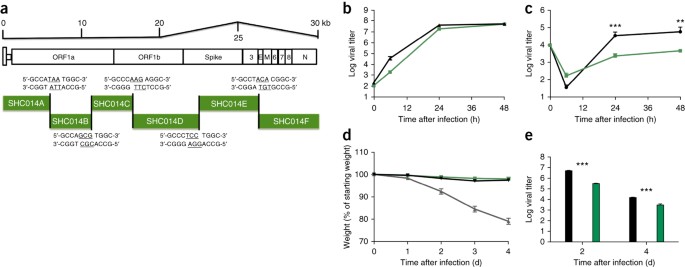
SARS-CoV (Fig. 3a)2. Replication in Vero cells revealed no deficit for SHC014-CoV relative to that for SARS-CoV (Fig. 3b); however, SHC014-CoV was significantly (P < 0.01) attenuated in primary HAE cultures at both 24 and 48 h after infection (Fig. 3c). In vivo infection
of mice demonstrated no significant weight loss but showed reduced
viral replication in lungs of full-length SHC014-CoV infection, as
compared to SARS-CoV Urbani (Fig. 3d,e).
Together, the results establish the viability of full-length
SHC014-CoV, but suggest that further adaptation is required for its
replication to be equivalent to that of epidemic SARS-CoV in human
respiratory cells and in mice.
Figure 3: Full-length SHC014-CoV replicates in human airways but lacks the virulence of epidemic SARS-CoV.
(a) Schematic of the SHC014-CoV molecular clone, which was
synthesized as six contiguous cDNAs (designated SHC014A, SHC014B,
SHC014C, SHC014D, SHC014E and SHC014F) flanked by unique BglI sites that
allowed for directed assembly of the full-length cDNA expressing open
reading frames (for 1a, 1b, spike, 3, envelope, matrix, 6–8 and
nucleocapsid). Underlined nucleotides represent the overhang sequences
formed after restriction enzyme cleavage. (b,c) Viral replication of SARS-CoV Urbani (black) or SHC014-CoV (green) after infection of Vero cells (b) or well-differentiated, primary air-liquid interface HAE cell cultures (c) at an MOI of 0.01. Samples were collected at individual time points with biological replicates (n = 3) for each group. Data represent one experiment for both Vero and HAE cells. (d,e) Weight loss (n = 3 for SARS-CoV MA15, n = 7 for SHC014-CoV; n = 6 for SARS-Urbani) (d) and viral replication in the lungs (n = 3 for SARS-Urbani and SHC014-CoV) (e) of 10-week-old BALB/c mice infected with 1 × 10⁵ p.f.u.
of SARS-CoV MA15 (gray), SHC014-CoV (green) or SARS-CoV Urbani (black)
via the i.n. route. Each data point represents the group mean, and error
bars define the s.e.m. **P < 0.01 and ***P < 0.001 using two-tailed Student’s t-test of individual time points.
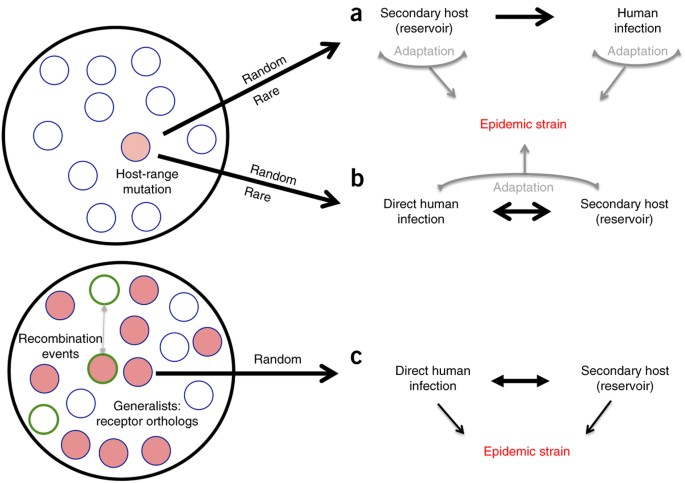
During the SARS-CoV epidemic, links were quickly established between
palm civets and the CoV strains that were detected in humans4.
Building on this finding, the common emergence paradigm argues that
epidemic SARS-CoV originated as a bat virus, jumped to civets and
incorporated changes within the receptor-binding domain (RBD) to improve
binding to civet Ace2 (ref. 18).
Subsequent exposure to people in live-animal markets permitted human
infection with the civet strain, which, in turn, adapted to become the
epidemic strain (Fig. 4a).
However, phylogenetic analysis suggests that early human SARS strains
appear more closely related to bat strains than to civet strains18.
Therefore, a second paradigm argues that direct bat-human transmission
initiated SARS-CoV emergence and that palm civets served as a secondary
host and reservoir for continued infection (Fig. 4b)19.
For both paradigms, spike adaptation in a secondary host is seen as a
necessity, with most mutations expected to occur within the RBD, thereby
facilitating improved infection. Both theories imply that pools of bat
CoVs are limited and that host-range mutations are both random and rare,
reducing the likelihood of future emergence events in humans.
Figure 4: Emergence paradigms for coronaviruses.
Coronavirus strains are maintained in quasi-species pools circulating in bat populations. (a,b)
Traditional SARS-CoV emergence theories posit that host-range mutants
(red circle) represent random and rare occurrences that permit infection
of alternative hosts. The secondary-host paradigm (a) argues
that a nonhuman host is infected by a bat progenitor virus and, through
adaptation, facilitates transmission to humans; subsequent replication
in humans leads to the epidemic viral strain. The direct paradigm (b)
suggests that transmission occurs between bats and humans without the
requirement of an intermediate host; selection then occurs in the human
population with closely related viruses replicating in a secondary host,
permitting continued viral persistence and adaptation in both. (c)
The data from chimeric SARS-like viruses argue that the quasi-species
pools maintain multiple viruses capable of infecting human cells without
the need for mutations (red circles). Although adaptations in secondary
or human hosts may be required for epidemic emergence, if SHC014
spike–containing viruses recombined with virulent CoV backbones (circles
with green outlines), then epidemic disease may be the result in
humans. Existing data support elements of all three paradigms.
Although our study does not invalidate the other emergence routes, it
does argue for a third paradigm in which circulating bat CoV pools
maintain ‘poised’ spike proteins that are capable of infecting humans
without mutation or adaptation (Fig. 4c).
This hypothesis is illustrated by the ability of a chimeric virus
containing the SHC014 spike in a SARS-CoV backbone to cause robust
infection in both human airway cultures and in mice without RBD
adaptation. Coupled with the observation of previously identified
pathogenic CoV backbones3,20,
our results suggest that the starting materials required for SARS-like
emergent strains are currently circulating in animal reservoirs.
Notably, although full-length SHC014-CoV probably requires additional
backbone adaption to mediate human disease, the documented
high-frequency recombination events in CoV families underscores the
possibility of future emergence and the need for further preparation.
To date, genomics screens of animal populations have primarily been used to identify novel viruses in outbreak settings21.
The approach here extends these data sets to examine questions of viral
emergence and therapeutic efficacy. We consider viruses with the SHC014
spike a potential threat owing to their ability to replicate in primary
human airway cultures, the best available model for human disease. In
addition, the observed pathogenesis in mice indicates a capacity for
SHC014-containing viruses to cause disease in mammalian models, without
RBD adaptation. Notably, differential tropism in the lung as compared to
that with SARS-MA15 and attenuation of full-length SHC014-CoV in HAE
cultures relative to SARS-CoV Urbani suggest that factors beyond ACE2
binding—including spike processivity, receptor bio-availability or
antagonism of the host immune responses—may contribute to emergence.
However, further testing in nonhuman primates is required to translate
these finding into pathogenic potential in humans. Importantly, the
failure of available therapeutics defines a critical need for further
study and for the development of treatments. With this knowledge,
surveillance programs, diagnostic reagents and effective treatments can
be produced that are protective against the emergence of group
2b–specific CoVs, such as SHC014, and these can be applied to other CoV
branches that maintain similarly heterogeneous pools.
In addition to offering preparation against future emerging viruses,
this approach must be considered in the context of the US
government–mandated pause on gain-of-function (GOF) studies22. On the basis of previous models of emergence (Fig. 4a,b),
the creation of chimeric viruses such as SHC014-MA15 was not expected
to increase pathogenicity. Although SHC014-MA15 is attenuated relative
to its parental mouse-adapted SARS-CoV, similar studies examining the
pathogenicity of CoVs with the wild-type Urbani spike within the MA15
backbone showed no weight loss in mice and reduced viral replication23. Thus, relative to the Urbani spike–MA15 CoV, SHC014-MA15 shows a gain in pathogenesis (Fig. 1).
On the basis of these findings, scientific review panels may deem
similar studies building chimeric viruses based on circulating strains
too risky to pursue, as increased pathogenicity in mammalian models
cannot be excluded. Coupled with restrictions on mouse-adapted strains
and the development of monoclonal antibodies using escape mutants,
research into CoV emergence and therapeutic efficacy may be severely
limited moving forward. Together, these data and restrictions represent a
crossroads of GOF research concerns; the potential to prepare for and
mitigate future outbreaks must be weighed against the risk of creating
more dangerous pathogens. In developing policies moving forward, it is
important to consider the value of the data generated by these studies
and whether these types of chimeric virus studies warrant further
investigation versus the inherent risks involved.
Overall, our approach has used metagenomics data to identify a
potential threat posed by the circulating bat SARS-like CoV SHC014.
Because of the ability of chimeric SHC014 viruses to replicate in human
airway cultures, cause pathogenesis in vivo and escape current
therapeutics, there is a need for both surveillance and improved
therapeutics against circulating SARS-like viruses. Our approach also
unlocks the use of metagenomics data to predict viral emergence and to
apply this knowledge in preparing to treat future emerging virus
infections.
Methods
Viruses, cells, in vitro infection and plaque assays.
Wild-type SARS-CoV (Urbani), mouse-adapted SARS-CoV (MA15) and
chimeric SARS-like CoVs were cultured on Vero E6 cells (obtained from
United States Army Medical Research Institute of Infectious Diseases),
grown in Dulbecco’s modified Eagle’s medium (DMEM) (Gibco, CA) and 5%
fetal clone serum (FCS) (Hyclone, South Logan, UT) along with
antibiotic/antimycotic (Gibco, Carlsbad, CA). DBT cells (Baric
laboratory, source unknown) expressing ACE2 orthologs have been previously described for both human and civet; bat Ace2 sequence was based on that from Rhinolophus leschenaulti, and DBT cells expressing bat Ace2 were established as described previously8. Pseudotyping experiments were similar to those using an HIV-based pseudovirus, prepared as previously described10, and examined on HeLa cells (Wuhan Institute of Virology) that expressed ACE2 orthologs.
HeLa cells were grown in minimal essential medium (MEM) (Gibco, CA)
supplemented with 10% FCS (Gibco, CA) as previously described24. Growth curves in Vero E6, DBT, Calu-3 2B4 and primary human airway epithelial cells were performed as previously described8,25.
None of the working cell line stocks were authenticated or tested for
mycoplasma recently, although the original seed stocks used to create
the working stocks are free from contamination. Human lungs for HAE
cultures were procured under University of North Carolina at Chapel Hill
Institutional Review Board–approved protocols. HAE cultures represent
highly differentiated human airway epithelium containing ciliated and
non-ciliated epithelial cells as well as goblet cells. The cultures are
also grown on an air-liquid interface for several weeks before use, as
previously described26.
Briefly, cells were washed with PBS and inoculated with virus or
mock-diluted in PBS for 40 min at 37 °C. After inoculation, cells were
washed three times and fresh medium was added to signify time ‘0’. Three
or more biological replicates were harvested at each described time
point. No blinding was used in any sample collections nor were samples
randomized. All virus cultivation was performed in a biosafety level
(BSL) 3 laboratory with redundant fans in the biosafety cabinets, as
described previously by our group2.
All personnel wore powered air purifying respirators (Breathe Easy, 3M)
with Tyvek suits, aprons and booties and were double-gloved.
Sequence clustering and structural modeling.
The full-length genomic sequences and the amino acid sequences of the
S1 domains of the spike of representative CoVs were downloaded from
Genbank or Pathosystems Resource Integration Center (PATRIC), aligned
with ClustalX and phylogenetically compared by using maximum likelihood
estimation using 100 bootstraps or by using the PhyML (https://code.google.com/p/phyml/)
package, respectively. The tree was generated using maximum likelihood
with the PhyML package. The scale bar represents nucleotide
substitutions. Only nodes with bootstrap support above 70% are labeled.
The tree shows that CoVs are divided into three distinct phylogenetic
groups defined as α-CoVs, β-CoVs and γ-CoVs. Classical subgroup clusters
are marked as 2a, 2b, 2c and 2d for β-CoVs, and 1a and 1b for the
α-CoVs. Structural models were generated using Modeller (Max Planck
Institute Bioinformatics Toolkit) to generate homology models for SHC014
and Rs3367 of the SARS RBD in complex with ACE2 based on crystal
structure 2AJF (Protein Data Bank). Homology models were visualized and manipulated in MacPyMol (version 1.3).
Construction of SARS-like chimeric viruses.
Both wild-type and chimeric viruses were derived from either SARS-CoV
Urbani or the corresponding mouse-adapted (SARS-CoV MA15) infectious
clone (ic) as previously described27.
Plasmids containing spike sequences for SHC014 were extracted by
restriction digest and ligated into the E and F plasmid of the MA15
infectious clone. The clone was designed and purchased from Bio Basic as
six contiguous cDNAs using published sequences flanked by unique class
II restriction endonuclease sites (BglI). Thereafter, plasmids
containing wild-type, chimeric SARS-CoV and SHC014-CoV genome fragments
were amplified, excised, ligated and purified. In vitro transcription
reactions were then preformed to synthesize full-length genomic RNA,
which was transfected into Vero E6 cells as previously described2.
The medium from transfected cells was harvested and served as seed
stocks for subsequent experiments. Chimeric and full-length viruses were
confirmed by sequence analysis before use in these studies. Synthetic
construction of chimeric mutant and full-length SHC014-CoV was approved
by the University of North Carolina Institutional Biosafety Committee
and the Dual Use Research of Concern committee.
Ethics statement.
This study was carried out in accordance with the recommendations for
the care and use of animals by the Office of Laboratory Animal Welfare
(OLAW), NIH. The Institutional Animal Care and Use Committee (IACUC) of
The University of North Carolina at Chapel Hill (UNC, Permit Number
A-3410-01) approved the animal study protocol (IACUC #13-033) used in
these studies.
Mice and in vivo infection.
Female, 10-week-old and 12-month-old BALB/cAnNHsD mice were ordered
from Harlan Laboratories. Mouse infections were done as previously
described20.
Briefly, animals were brought into a BSL3 laboratory and allowed to
acclimate for 1 week before infection. For infection and live-attenuated
virus vaccination, mice were anesthetized with a mixture of ketamine
and xylazine and infected intranasally, when challenged, with 50 μl of
phosphate-buffered saline (PBS) or diluted virus with three or four mice
per time point, per infection group per dose as described in the figure
legends. For individual mice, notations for infection including failure
to inhale the entire dose, bubbling of inoculum from the nose, or
infection through the mouth may have led to exclusion of mouse data at
the discretion of the researcher; post-infection, no other
pre-established exclusion or inclusion criteria are defined. No blinding
was used in any animal experiments, and animals were not randomized.
For vaccination, young and aged mice were vaccinated by footpad
injection with a 20-μl volume of either 0.2 μg of double-inactivated
SARS-CoV vaccine with alum or mock PBS; mice were then boosted with the
same regimen 22 d later and challenged 21 d thereafter. For all groups,
as per protocol, animals were monitored daily for clinical signs of
disease (hunching, ruffled fur and reduced activity) for the duration of
the experiment. Weight loss was monitored daily for the first 7 d,
after which weight monitoring continued until the animals recovered to
their initial starting weight or displayed weight gain continuously for 3
d. All mice that lost greater than 20% of their starting body weight
were ground-fed and further monitored multiple times per day as long as
they were under the 20% cutoff. Mice that lost greater than 30% of their
starting body weight were immediately sacrificed as per protocol. Any
mouse deemed to be moribund or unlikely to recover was also humanely
sacrificed at the discretion of the researcher. Euthanasia was performed
using an isoflurane overdose and death was confirmed by cervical
dislocation. All mouse studies were performed at the University of North
Carolina (Animal Welfare Assurance #A3410-01) using protocols approved
by the UNC Institutional Animal Care and Use Committee (IACUC).
Histological analysis.
The left lung was removed and submerged in 10% buffered formalin
(Fisher) without inflation for 1 week. Tissues were embedded in paraffin
and 5-μm sections were prepared by the UNC Lineberger Comprehensive
Cancer Center histopathology core facility. To determine the extent of
antigen staining, sections were stained for viral antigen using a
commercially available polyclonal SARS-CoV anti-nucleocapsid antibody
(Imgenex) and scored in a blinded manner by for staining of the airway
and parenchyma as previously described20. Images were captured using an Olympus BX41 microscope with an Olympus DP71 camera.
Virus neutralization assays.
Plaque reduction neutralization titer assays were performed with
previously characterized antibodies against SARS-CoV, as previously
described11,12,13.
Briefly, neutralizing antibodies or serum was serially diluted twofold
and incubated with 100 p.f.u. of the different infectious clone SARS-CoV
strains for 1 h at 37 °C. The virus and antibodies were then added to a
6-well plate with 5 × 10⁵ Vero E6 cells/well with multiple replicates (n ≥
2). After a 1-h incubation at 37 °C, cells were overlaid with 3 ml of
0.8% agarose in medium. Plates were incubated for 2 d at 37 °C, stained
with neutral red for 3 h and plaques were counted. The percentage of
plaque reduction was calculated as (1 − (no. of plaques with
antibody/no. of plaques without antibody)) × 100.
Statistical analysis.
All experiments were conducted contrasting two experimental groups
(either two viruses, or vaccinated and unvaccinated cohorts). Therefore,
significant differences in viral titer and histology scoring were
determined by a two-tailed Student’s t-test at individual time points. Data was normally distributed in each group being compared and had similar variance.
Biosafety and biosecurity.
Reported studies were initiated after the University of North
Carolina Institutional Biosafety Committee approved the experimental
protocol (Project Title: Generating infectious clones of bat SARS-like
CoVs; Lab Safety Plan ID: 20145741; Schedule G ID: 12279). These studies
were initiated before the US Government Deliberative Process Research
Funding Pause on Selected Gain-of-Function Research Involving Influenza,
MERS and SARS Viruses (http://www.phe.gov/s3/dualuse/Documents/gain-of-function.pdf).
This paper has been reviewed by the funding agency, the NIH.
Continuation of these studies was requested, and this has been approved
by the NIH.
SARS-CoV is a select agent. All work for these studies was performed
with approved standard operating procedures (SOPs) and safety conditions
for SARS-CoV, MERs-CoV and other related CoVs. Our institutional CoV
BSL3 facilities have been designed to conform to the safety requirements
that are recommended in the Biosafety in Microbiological and Biomedical
Laboratories (BMBL), the US Department of Health and Human Services,
the Public Health Service, the Centers for Disease Control (CDC) and the
NIH. Laboratory safety plans were submitted to, and the facility has
been approved for use by, the UNC Department of Environmental Health and
Safety (EHS) and the CDC. Electronic card access is required for entry
into the facility. All workers have been trained by EHS to safely use
powered air purifying respirators (PAPRs), and appropriate work habits
in a BSL3 facility and active medical surveillance plans are in place.
Our CoV BSL3 facilities contain redundant fans, emergency power to fans
and biological safety cabinets and freezers, and our facilities can
accommodate SealSafe mouse racks. Materials classified as BSL3 agents
consist of SARS-CoV, bat CoV precursor strains, MERS-CoV and mutants
derived from these pathogens. Within the BSL3 facilities,
experimentation with infectious virus is performed in a certified Class
II Biosafety Cabinet (BSC). All members of the staff wear scrubs, Tyvek
suits and aprons, PAPRs and shoe covers, and their hands are
double-gloved. BSL3 users are subject to a medical surveillance plan
monitored by the University Employee Occupational Health Clinic (UEOHC),
which includes a yearly physical, annual influenza vaccination and
mandatory reporting of any symptoms associated with CoV infection during
periods when working in the BSL3. All BSL3 users are trained in
exposure management and reporting protocols, are prepared to
self-quarantine and have been trained for safe delivery to a local
infectious disease management department in an emergency situation. All
potential exposure events are reported and investigated by EHS and
UEOHC, with reports filed to both the CDC and the NIH.
In the version of this article initially published online, the
authors omitted to acknowledge a funding source, USAID-EPT-PREDICT
funding from EcoHealth Alliance, to Z.-L.S. The error has been corrected
for the print, PDF and HTML versions of this article.
References
1
Ge, X.Y. et al. Isolation and characterization of a bat SARS-like coronavirus that uses the ACE2 receptor. Nature503, 535–538 (2013).
Yount, B. et al. Reverse genetics with a full-length infectious cDNA of severe acute respiratory syndrome coronavirus. Proc. Natl. Acad. Sci. USA100, 12995–13000 (2003).
Becker, M.M. et al. Synthetic recombinant bat SARS-like coronavirus is infectious in cultured cells and in mice. Proc. Natl. Acad. Sci. USA105, 19944–19949 (2008).
He, B. et al.
Identification of diverse alphacoronaviruses and genomic
characterization of a novel severe acute respiratory syndrome–like
coronavirus from bats in China. J. Virol.88, 7070–7082 (2014).
Sheahan, T. et al.
Mechanisms of zoonotic severe acute respiratory syndrome coronavirus
host range expansion in human airway epithelium. J. Virol.82, 2274–2285 (2008).
Yoshikawa, T. et al.
Dynamic innate immune responses of human bronchial epithelial cells to
severe acute respiratory syndrome–associated coronavirus infection. PLoS ONE5, e8729 (2010).
Sui, J. et al.
Broadening of neutralization activity to directly block a dominant
antibody-driven SARS-coronavirus evolution pathway. PLoS Pathog.4, e1000197 (2008).
Sui, J. et al.
Effects of human anti–spike protein receptor binding domain antibodies
on severe acute respiratory syndrome coronavirus neutralization escape
and fitness. J. Virol.88, 13769–13780 (2014).
Rockx, B. et al. Escape from human monoclonal antibody neutralization affects in vitro and in vivo fitness of severe acute respiratory syndrome coronavirus. J. Infect. Dis.201, 946–955 (2010).
Spruth, M. et al. A
double-inactivated whole-virus candidate SARS coronavirus vaccine
stimulates neutralizing and protective antibody responses. Vaccine24, 652–661 (2006).
Bolles, M. et al. A
double-inactivated severe acute respiratory syndrome coronavirus vaccine
provides incomplete protection in mice and induces increased
eosinophilic proinflammatory pulmonary response upon challenge. J. Virol.85, 12201–12215 (2011).
Deming, D. et al.
Vaccine efficacy in senescent mice challenged with recombinant SARS-CoV
bearing epidemic and zoonotic spike variants. PLoS Med.3, e525 (2006).
Graham, R.L. &
Baric, R.S. Recombination, reservoirs and the modular spike: mechanisms
of coronavirus cross-species transmission. J. Virol.84, 3134–3146 (2010).
Frieman, M. et al.
Molecular determinants of severe acute respiratory syndrome coronavirus
pathogenesis and virulence in young and aged mouse models of human
disease. J. Virol.86, 884–897 (2012).
Ren, W. et al.
Difference in receptor usage between severe acute respiratory syndrome
(SARS) coronavirus and SARS-like coronavirus of bat origin. J. Virol.82, 1899–1907 (2008).
Sims, A.C. et al.
Release of severe acute respiratory syndrome coronavirus nuclear import
block enhances host transcription in human lung cells. J. Virol.87, 3885–3902 (2013).
Research in this manuscript was supported by grants from the National
Institute of Allergy & Infectious Disease and the National
Institute of Aging of the US National Institutes of Health (NIH) under
awards U19AI109761 (R.S.B.), U19AI107810 (R.S.B.), AI085524 (W.A.M.),
F32AI102561 (V.D.M.) and K99AG049092 (V.D.M.), and by the National
Natural Science Foundation of China awards 81290341 (Z.-L.S.) and
31470260 (X.-Y.G.), and by USAID-EPT-PREDICT funding from EcoHealth
Alliance (Z.-L.S.). Human airway epithelial cultures were supported by
the National Institute of Diabetes and Digestive and Kidney Disease of
the NIH under award NIH DK065988 (S.H.R.). We also thank M.T. Ferris
(Dept. of Genetics, University of North Carolina) for the reviewing of
statistical approaches and C.T. Tseng (Dept. of Microbiology and
Immunology, University of Texas Medical Branch) for providing Calu-3
cells. Experiments with the full-length and chimeric SHC014 recombinant
viruses were initiated and performed before the GOF research funding
pause and have since been reviewed and approved for continued study by
the NIH. The content is solely the responsibility of the authors and
does not necessarily represent the official views of the NIH.
Author information
Affiliations
Department of Epidemiology, University of North Carolina at Chapel Hill, Chapel Hill, North Carolina, USA
Vineet D Menachery
, Boyd L Yount Jr
, Kari Debbink
, Lisa E Gralinski
, Jessica A Plante
, Rachel L Graham
, Trevor Scobey
, Eric F Donaldson
& Ralph S Baric
Department of Microbiology and Immunology, University of North Carolina at Chapel Hill, Chapel Hill, North Carolina, USA
Kari Debbink
& Ralph S Baric
National Center for Toxicological Research, Food and Drug Administration, Jefferson, Arkansas, USA
Sudhakar Agnihothram
Key Laboratory of Special Pathogens and Biosafety, Wuhan Institute of Virology, Chinese Academy of Sciences, Wuhan, China
Xing-Yi Ge
& Zhengli-Li Shi
Department of Cell Biology and Physiology, University of North Carolina at Chapel Hill, Chapel Hill, North Carolina, USA
Scott H Randell
Cystic Fibrosis Center, Marsico Lung Institute, University of North Carolina at Chapel Hill, Chapel Hill, North Carolina, USA
Scott H Randell
Institute for Research in Biomedicine, Bellinzona Institute of Microbiology, Zurich, Switzerland
Antonio Lanzavecchia
Department of Cancer Immunology and AIDS, Dana-Farber Cancer Institute, Harvard Medical School, Boston, Massachusetts, USA
Wayne A Marasco
Department of Medicine, Harvard Medical School, Boston, Massachusetts, USA
Wayne A Marasco
Contributions
V.D.M. designed, coordinated and performed experiments, completed
analysis and wrote the manuscript. B.L.Y. designed the infectious clone
and recovered chimeric viruses; S.A. completed neutralization assays;
L.E.G. helped perform mouse experiments; T.S. and J.A.P. completed mouse
experiments and plaque assays; X.-Y.G. performed pseudotyping
experiments; K.D. generated structural figures and predictions; E.F.D.
generated phylogenetic analysis; R.L.G. completed RNA analysis; S.H.R.
provided primary HAE cultures; A.L. and W.A.M. provided critical
monoclonal antibody reagents; and Z.-L.S. provided SHC014 spike
sequences and plasmids. R.S.B. designed experiments and wrote
manuscript.
Menachery, V., Yount, B., Debbink, K. et al. A SARS-like cluster of circulating bat coronaviruses shows potential for human emergence. Nat Med21, 1508–1513 (2015). https://doi.org/10.1038/nm.3985
Gordon Duff is a Marine combat veteran of the Vietnam War. He is a
disabled veteran and has worked on veterans and POW issues for decades.
Gordon is an accredited diplomat and is generally accepted as one of the
top global intelligence specialists. He manages the world’s largest
private intelligence organization and regularly consults with
governments challenged by security issues.
Duff has traveled extensively, is published around the world and is a
regular guest on TV and radio in more than “several” countries. He is
also a trained chef, wine enthusiast, avid motorcyclist and gunsmith
specializing in historical weapons and restoration. Business experience
and interests are in energy and defense technology.